Social Media Addiction: The Signs, the Mechanism, and How to Break It
What social media addiction actually is, why the apps are built to produce it, the signs worth taking seriously, and a practical plan to loosen the grip.

By the Kaizen team
June 10, 2026 · 3 min read
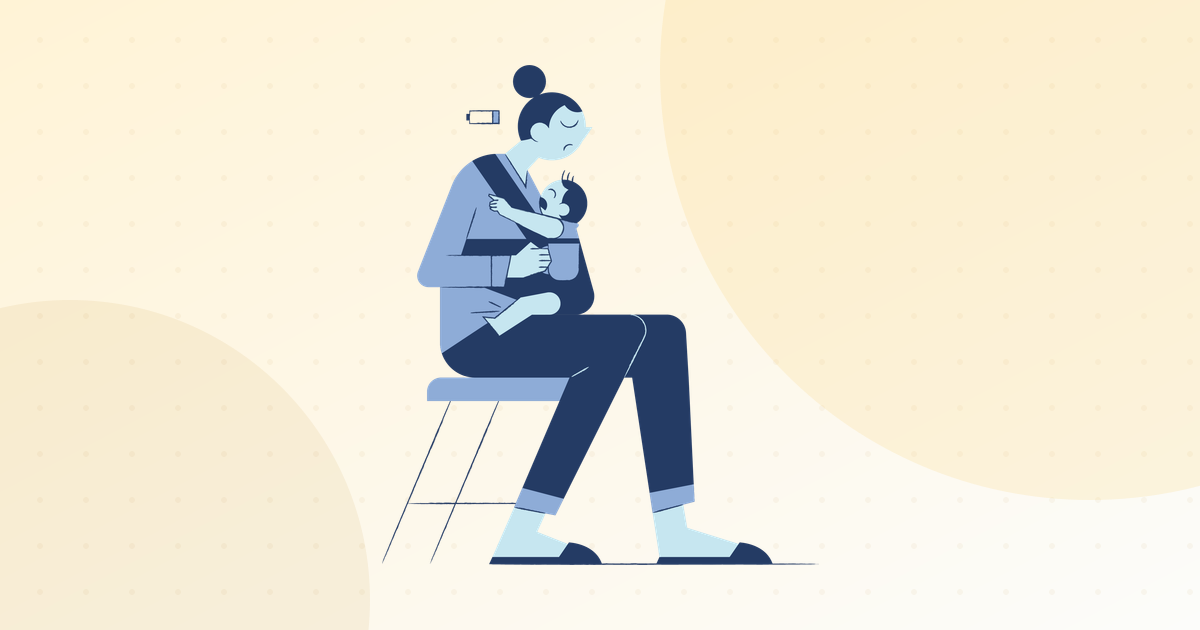
“Addiction” is a strong word, and clinicians debate whether social media use meets the formal bar. But the pattern is real and familiar: you use it more than you want to, you’ve tried to cut back and failed, and it’s costing you time, sleep or focus that you’d rather spend elsewhere. Whatever you call that, it’s worth doing something about.
Why the apps produce this
You’re not weak-willed. The apps are the product of thousands of engineers optimising a single metric — time on app — against your attention. The main levers:
- Variable rewards. You never know if the next refresh has something good. Unpredictable payoff is the most compulsive reinforcement schedule known, the same one that makes slot machines work.
- Infinite scroll. No page breaks, no natural stopping point. The feed is designed so there’s never a clean moment to close it.
- Social validation. Likes and replies tap a deep drive to be seen and accepted, delivered in unpredictable drips.
- Notifications. Engineered re-entry points, timed and worded to pull you back mid-task.
- The algorithm. It gets measurably better at holding you every day you use it.
Knowing this doesn’t break the habit, but it reframes it: the fix isn’t more discipline, it’s changing the conditions.
Signs worth taking seriously
- You check it within minutes of waking, automatically.
- “Two minutes” regularly becomes thirty or more.
- You’ve deleted an app and reinstalled it within days.
- You feel restless or anxious when you can’t check it.
- You scroll specific apps that reliably leave you feeling worse, and keep going anyway.
- It’s cutting into sleep, work, or time with people, and you’ve noticed but not stopped.
- You reach for it the instant a task gets hard or a moment gets boring.
One or two of these is normal in a phone-saturated world. Most of them, consistently, is the pattern worth addressing. Our 9 signs you’re addicted to your phone goes deeper on the self-check.
A plan that works
1. Cut the re-entry points
Turn off all social notifications (Settings → Notifications, app by app). Remove the apps from your first Home Screen page. Log out after each use. You’re making the apps something you go to, not something that comes to you.
2. Add friction to the open
The habit fires faster than thought, so put a few seconds between the tap and the feed. Kaizen shows a brief breathing pause and a simple question — deliberate, or reflex? — every time you open a social app, with no one-tap override. Built on Apple’s Screen Time API (no VPN), it covers the websites too and tracks a weekly trend so you can see the grip loosening. Most opens end during the pause.
3. Protect sleep
Charge the phone outside the bedroom. Use Downtime (Settings → Screen Time → Downtime) to lock social apps overnight. Evening scrolling wrecks sleep, and poor sleep raises next-day cravings — breaking that loop pays off quickly.
4. Replace, don’t just subtract
A feed fills gaps — boredom, loneliness, avoidance. Remove it without a replacement and it comes back. Line up alternatives in advance: a book, a walk, a message to an actual friend, a hobby that uses your hands.
5. Consider a clean break
A week fully off the main apps resets your tolerance and shows you the baseline. Many people come back and use one or two apps deliberately, and drop the rest without missing them.
When to get help
If cutting back consistently fails, or your use is tied to anxiety, depression or trauma, this isn’t a willpower issue and self-help tactics will only get you so far. A therapist who works with behavioural addiction can help address what the scrolling is standing in for.
The apps were designed by experts to hold your attention. It’s not a fair fight on willpower alone — so don’t fight it that way. Change the conditions.
Related reading: 9 signs you’re addicted to your phone and how to stop doomscrolling.

Put it into practice with Kaizen
Block distracting apps, cut your screen time and build better habits — free to download on iOS.